
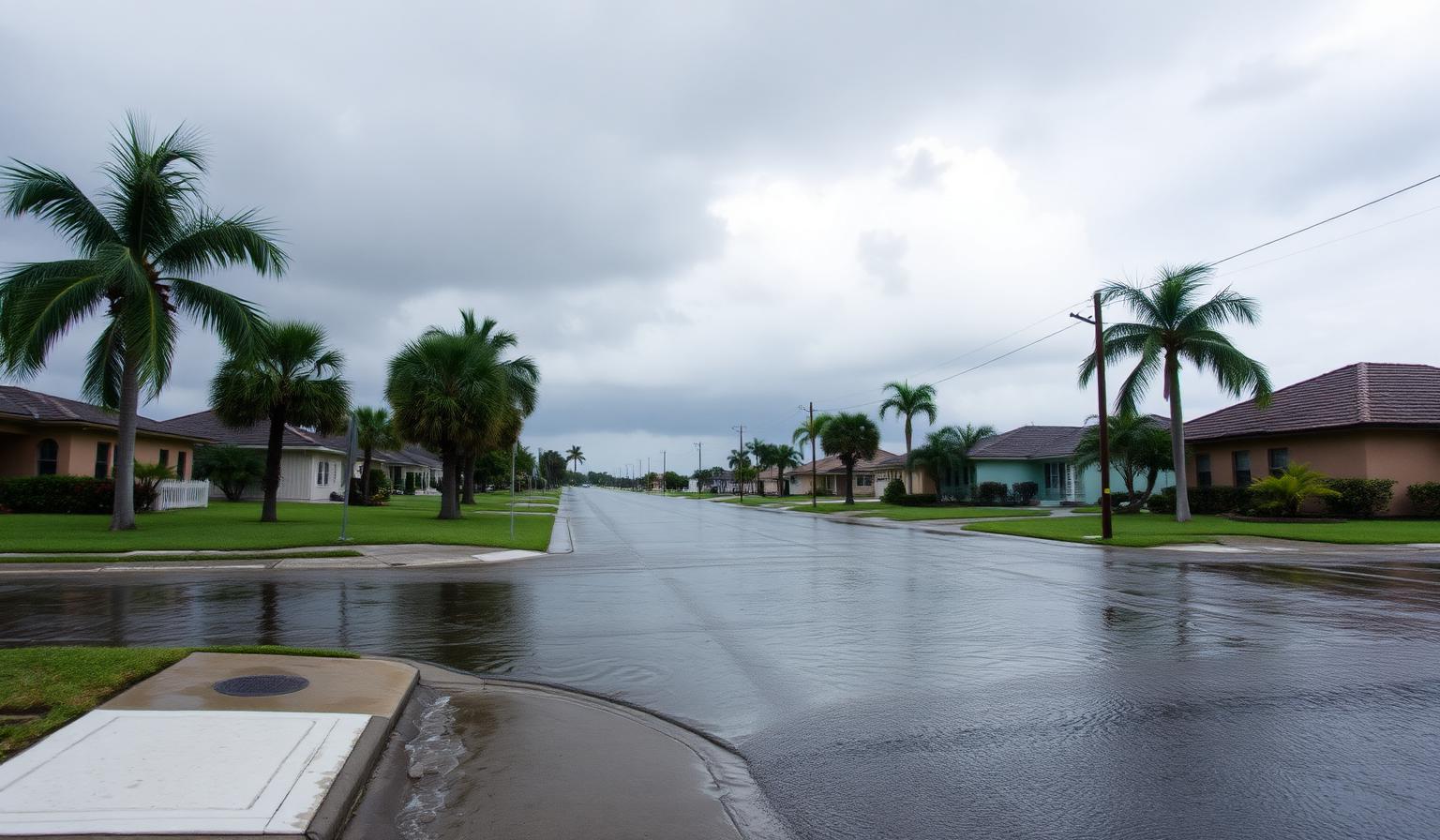
Why every Florida property owner should consider flood coverage
Florida is the most flood-prone state in the country. Heavy summer downpours, tropical storms, hurricanes and king tides routinely overwhelm drainage systems even in zones rated "low risk." FEMA reports that more than 25% of all flood claims come from properties outside of designated high-risk flood zones. If your mortgage lender hasn't required flood insurance, that doesn't mean you don't need it.
NFIP vs. private flood — what's the difference?
The National Flood Insurance Program (NFIP) is administered by FEMA and caps building coverage at $250,000 for single-family homes and $100,000 for contents. NFIP is widely accepted by lenders and offers predictable terms, but its rebuild times and benefit limits can fall short on larger homes.
Private flood insurance from carriers like Neptune, Wright, Zurich and others often offers higher limits, replacement cost on contents, loss of use coverage, and faster quoting. Premiums can be lower than NFIP for many Florida homes. We write both and will quote them side-by-side so you can choose.
What flood policies typically cover
- Structural damage from rising water, storm surge and mudflow.
- Foundation, electrical and plumbing systems.
- Built-in appliances, cabinetry and permanent flooring.
- Personal property like furniture, electronics and clothing (contents coverage).
- Debris removal after a covered flood event.
Flood policies generally exclude additional living expenses (NFIP) and damage caused by sewer backup unrelated to a flood — those are addressed by other policies we can layer in.
How to get the best flood rate
Provide a current elevation certificate if you have one — elevation strongly impacts pricing. Ask about pre-FIRM vs. post-FIRM construction credits, content-only options for upper-floor condos, and bundling flood with the same carrier as your homeowners policy. We'll guide you through every option.
Frequently asked questions
Isn't flood covered by my homeowners policy?+
No. Flood damage from rising water — including hurricane storm surge — is excluded from every standard homeowners policy in Florida.
How long until a flood policy takes effect?+
NFIP policies typically have a 30-day waiting period, with limited exceptions. Many private flood policies bind in as little as 10–15 days.
Can renters get flood insurance?+
Yes — contents-only flood policies are inexpensive and protect your belongings even if you don't own the building.